

We Are The Indigenous Igbo People Of ANAM

Sharing Our Unique Cultural Identity

Anam is more than a place on the map—it is a story written by rivers, shaped by history, and sustained by the resilience of its people.

Located in northwestern Anambra State, Nigeria, Anam is a unique riverine homeland where water defines everyday life. Here, rivers are not distant geographical features; they are living forces that influence movement, agriculture, trade, culture, and survival. For generations, the people of Anam have lived in harmony with these waterways, drawing strength from both their blessings and their challenges.

A Land Defined by Water

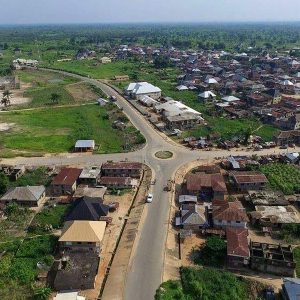
Anam is an eight-community town spanning the Anambra East and Anambra West Local Government Areas. Situated within the fertile Lower Niger Basin, the town lies approximately at latitude 6°21’34” North and longitude 6°44’59” East.

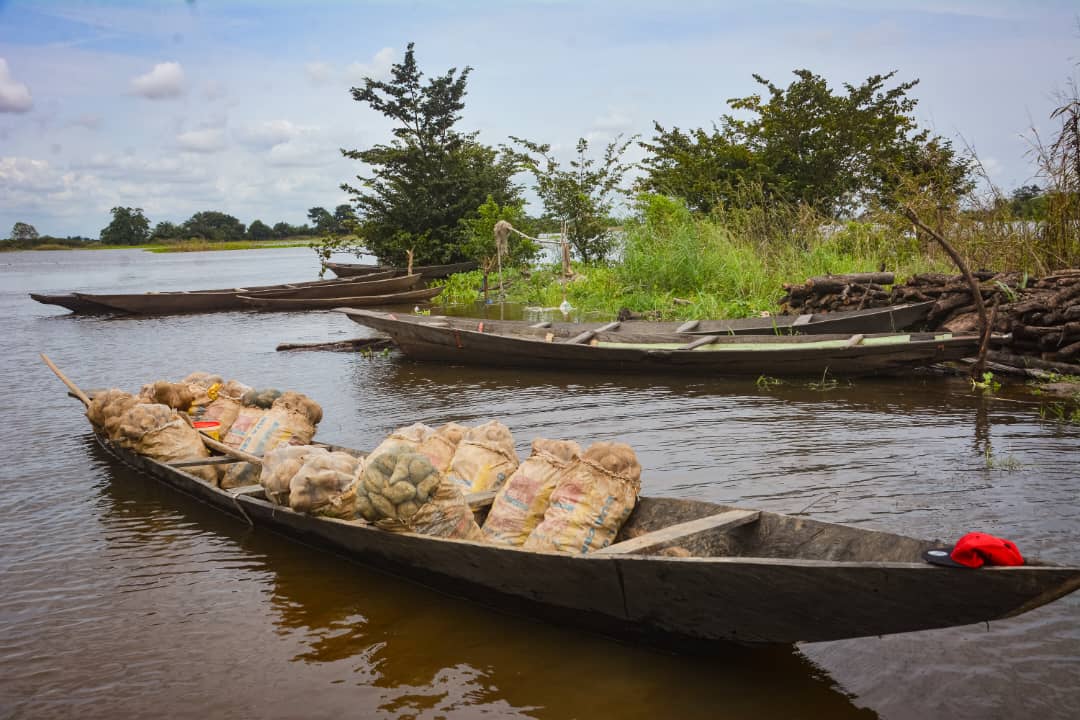
The community is surrounded by major waterways. The River Niger forms its western boundary, while the Omambala River stretches along the eastern axis. The Ezichi River extends toward neighboring communities, creating a landscape of rivers, wetlands, and floodplains that have sustained life for centuries.

This strategic location has made Anam an important cultural and economic corridor within southeastern Nigeria. Historically, the rivers served as transportation routes long before modern roads existed, connecting Anam to communities across present-day Anambra, Delta, Kogi, and Enugu States.

Geography and Connectivity

Northwest of Onitsha

Anam lies northwest of Onitsha and northeast of Asaba across the River Niger. Its surrounding neighbors include Anwai and Ugbolu to the west, Echeno, Ika, and Ọmabo communities in Ibaji Local Government Area to the north, and the Igala-speaking communities of Nzam and Inoma to the northeast.

Because of its position along historic waterways, Anam has long been a meeting point of cultures, trade networks, and migration routes. While firmly rooted in Igbo heritage, the community has developed enduring relationships with neighboring peoples through centuries of interaction and commerce.

The Challenge of Living with Rivers

Annual flooding

The rivers that sustain Anam also present its greatest challenge.

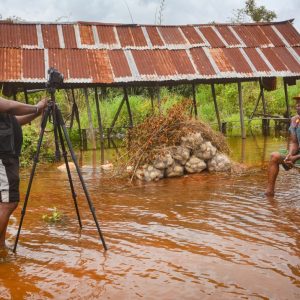
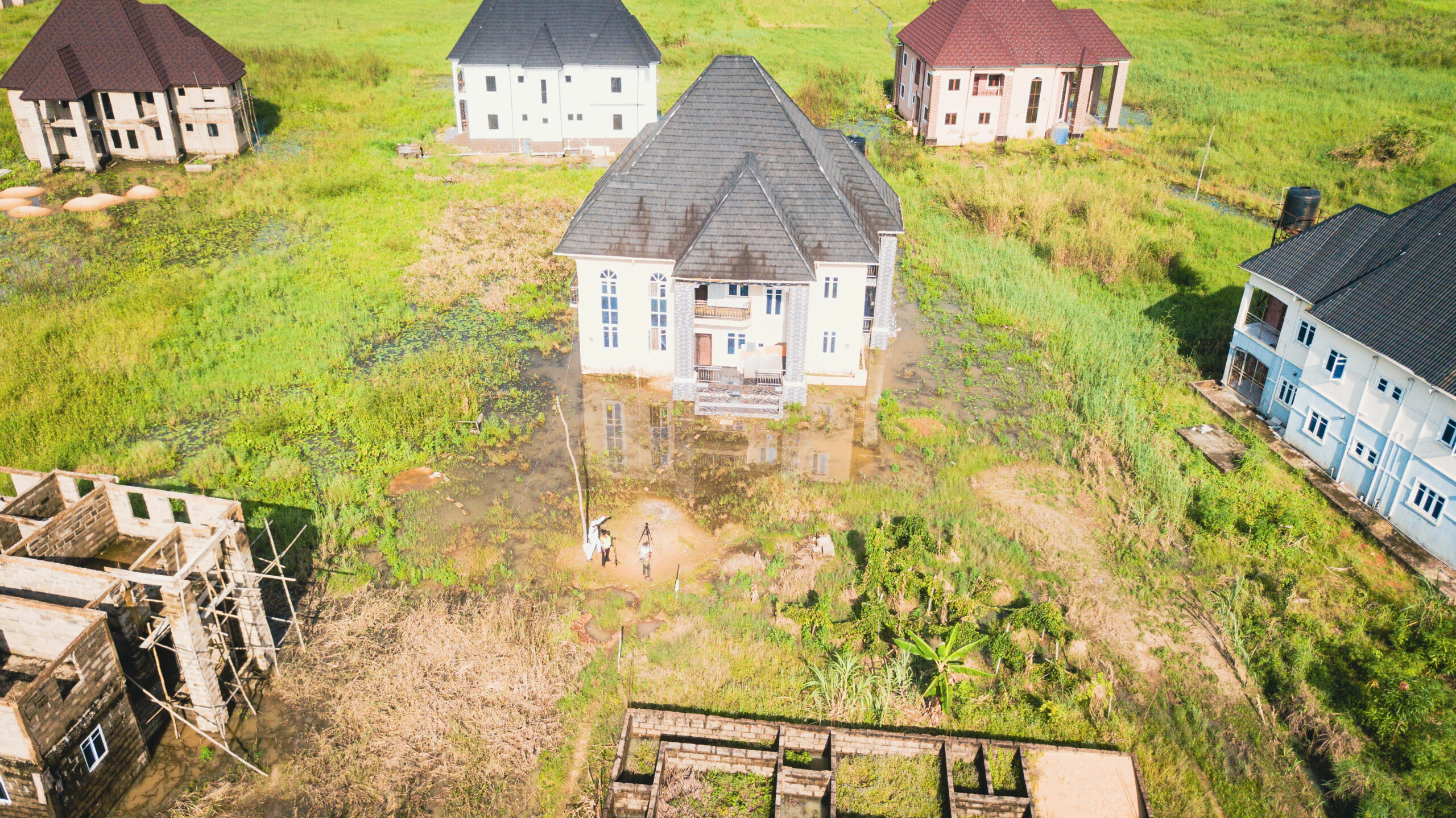
Annual flooding is a defining reality of life in the community. During the rainy season, rising waters often submerge farmlands, homes, and access roads. Entire sections of the town can remain underwater for weeks, disrupting education, transportation, and economic activities.

Yet despite these recurring hardships, the people of Anam have never abandoned their homeland.

Generations have developed a deep understanding of river cycles, agricultural adaptation, and communal support systems. Their ability to rebuild, recover, and continue thriving despite environmental challenges has become one of the defining characteristics of Anam society.

An Agricultural Heartland

Rich Agricultural Resources

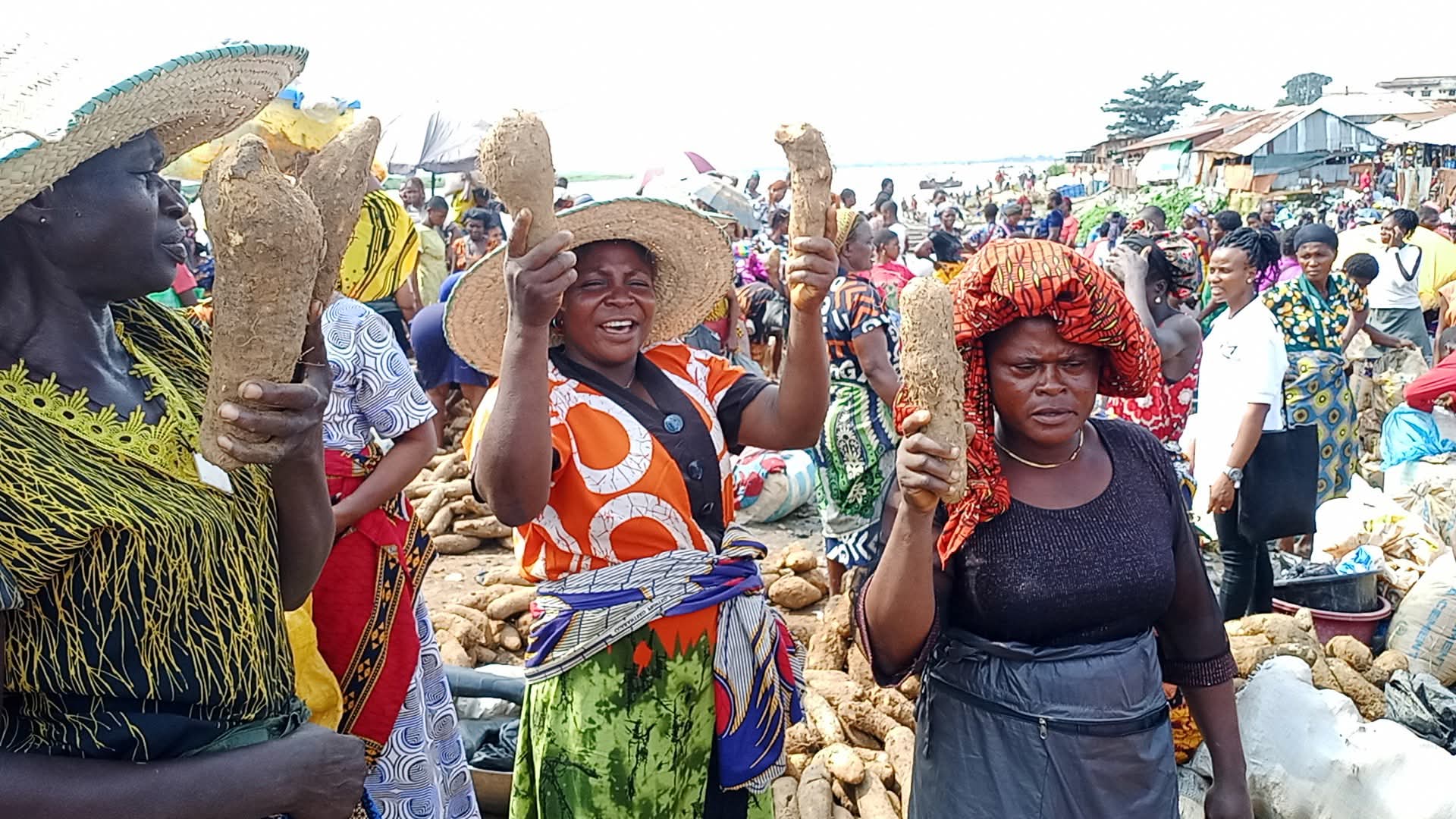
Covering approximately 240 square kilometers of fertile land, Anam is renowned for its rich agricultural resources. Seasonal river deposits enrich the soil, making the area highly productive for farming.

Agriculture remains the backbone of the local economy, with residents cultivating crops such as:

  • Yam
  • Cassava
  • Rice
  • Maize
  • Vegetables

Fishing is also an important economic activity, providing livelihoods for many families living close to the waterways.

For the people of Anam, farming is more than an occupation—it is a way of life, deeply connected to their identity, traditions, and heritage.

Looking Toward the Future

Environmental Sustainability

Today, Anam stands at an important crossroads.

Like many riverine communities across Nigeria, it faces challenges related to climate change, environmental sustainability, infrastructure development, shoreline erosion, and rural migration. Improved road networks, flood-control systems, educational opportunities, and economic investments are increasingly important to securing the future of the community.

Despite these challenges, Anam continues to thrive through the determination of its people and the strength of its cultural heritage.

Spirit of Anam

Anam is a community where geography and history are inseparable. It is a land shaped by rivers, enriched by fertile soil, and strengthened by generations of resilient people.

More than a town surrounded by waterways, Anam represents a living testament to endurance, unity, and hope. Its story is one of adaptation, survival, and progress—a story that continues to inspire future generations.

The rivers may define the landscape, but it is the resilience of the people that defines Anam.

Impact Stories

“From Street Hawking to Owning a Shop” — Adaeze’s Journey

I lost my father at 14 and had to hawk sachet water on the streets of Awka to support my family. It was a difficult and unsafe life, especially for a young girl.

Everything changed when I joined the Anam People’s Association’s Youth Skills Program. They trained me in tailoring and business management and provided a small startup grant. With their mentorship, I opened a small tailoring unit in my mother’s compound. Today, I employ two other young women and supply school uniforms to three local schools. My income doesn’t just feed my family—it pays my younger brother’s school fees.

The Association didn’t just give me a skill; they gave me a future and made me a pillar in my community.

APA Administratives

Chief Alex Okonkwo

Chairman

Chief Sylvester Okoye

2nd vice chairman

Arc. Chris Chukwudi Udoba

National PRO

Chief Joseph Chinweze

Treasurer

What stand us out

fb img 1755234847760

Yam Festival

We celebrated the arrival off yam season in 2024
flood

Anam River

We are excited at the turnout for the festival
images (1)

Anam Art and Culture

We are a people rich in culture, tradition and art.
afad 1 133 scaled 1 (2)

Assembly

coop

A City blessed with Agricultural resources

photos

Our Culture and Tradition

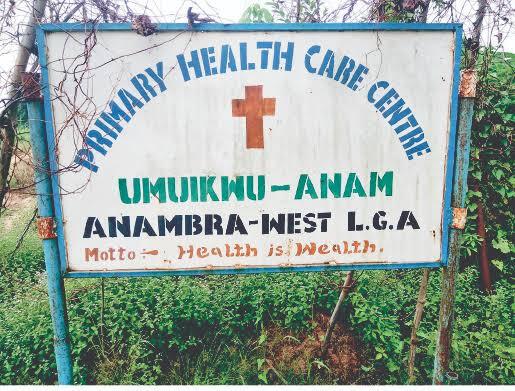
Our Medical Facility

Our Agricultural Resources

Our Pioneers